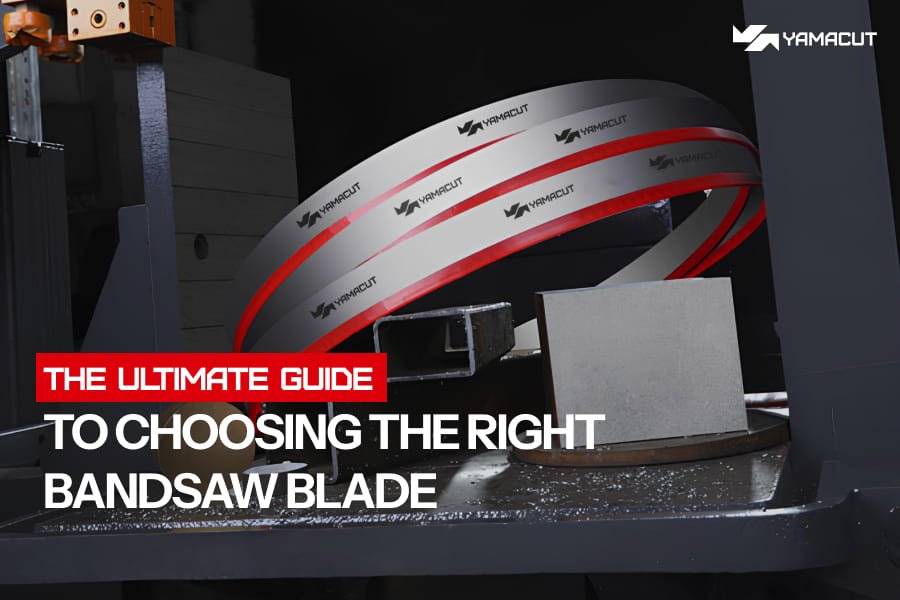

When it comes to industrial metal cutting, your bandsaw blade choice is not just a technical detail — it is a strategic decision that can directly impact your production speed, cutting accuracy, blade life, and operational costs.
Whether you are cutting carbon steel, stainless steel, or non-ferrous metals, using the wrong blade leads to problems: excessive blade wear, rough finishes, costly rework, and unexpected downtime.
This guide will help you select the right bandsaw blade for metal, specifically optimized for industries such as metal fabrication, oil and gas, shipbuilding, heavy construction, and general industrial manufacturing.
Why Blade Selection Matters in Metal Cutting
In high-demand industrial environments, efficiency is everything. The right bandsaw blade allows you to:
- Cut faster without compromising quality
- Reduce blade changes and tool downtime
- Maintain straight, burr-free cuts
- Lower your total cost per cut
1. Know Your Metal Type
Different metals require specific blade characteristics. Using a general-purpose blade on hardened steel or alloys is a fast way to burn through your blade budget — and your production schedule.
a. Ferrous Metals (Carbon Steel, Stainless Steel, Alloy Steel)
- Recommended Blades: Bi-metal or carbide-tipped blades
- Why: These blades resist heat and wear, allowing you to cut harder metals with consistency and extended life.
b. Non-ferrous metals (Aluminum, Copper, Brass)
- Recommended Blades: Fine-tooth blades with high TPI
- Why: Delivers clean, smooth finishes and minimizes material deformation or edge burrs.
2. Choose the Right TPI (Teeth Per Inch)
TPI determines how aggressively the blade cuts and how smooth the final surface will be.
| Material Thickness | Recommended TPI | Application |
| Thick structural steel | 2–6 TPI (low) | Fast cuts, heavy stock |
| Medium-thickness plate | 6–14 TPI (medium) | General fabrication, tubing, sheet metal |
| Thin-walled sections | 14 and above TPI (high) | Fine finishes, precision cuts |
Tip: Always match TPI to material thickness — too few teeth may snag, while too many may overheat.
3. Blade Material: Bi-Metal vs. Carbide-Tipped
a. Bi-Metal Bandsaw Blades
- Most common for industrial metal cutting
- High-speed steel teeth welded to flexible alloy backing
- Ideal for general-purpose use, medium to high-volume operations
b. Carbide-Tipped Bandsaw Blades
- Superior hardness and heat resistance
- Best for cutting hardened alloys, stainless steel, Inconel, and titanium
- Higher upfront cost, but longer life and fewer blade changes
4. Tooth Geometry: Get the Right Cutting Action
Tooth shape is often overlooked, but it can significantly impact your cut quality and speed.
a. Regular tooth
- Straight rake angle.
- Best for thin sections and smooth cuts.
b. Hook tooth
- Positive rake (~10°).
- Aggressive cutting — ideal for thick steel bars, pipes, and structural profiles
- Clears chips effectively.
c. Variable Pitch
- Alternating TPI in one blade.
- Reduces vibration, extends blade life.
- Great for cutting mixed stock sizes and irregular cross-sections.
Prioritize Durability and Cost-Efficiency
The right bandsaw blade is a strategic asset in your production line. It affects cutting quality, efficiency, operator safety, and maintenance cycles. By choosing a blade based on your metal type, cutting volume, and industry application, you will:
- Increase productivity
- Lower rework rates
- Maximize blade life
- And ultimately, improve profitability
Ready to Optimize Your Bandsaw Setup?
If you are in metalworking, oil & gas, or heavy industrial fabrication, make sure your blades are working as hard as you are.
Need help choosing the right bandsaw blade for your operation? Contact our technical team — we will help you spec the perfect blade for your needs.